
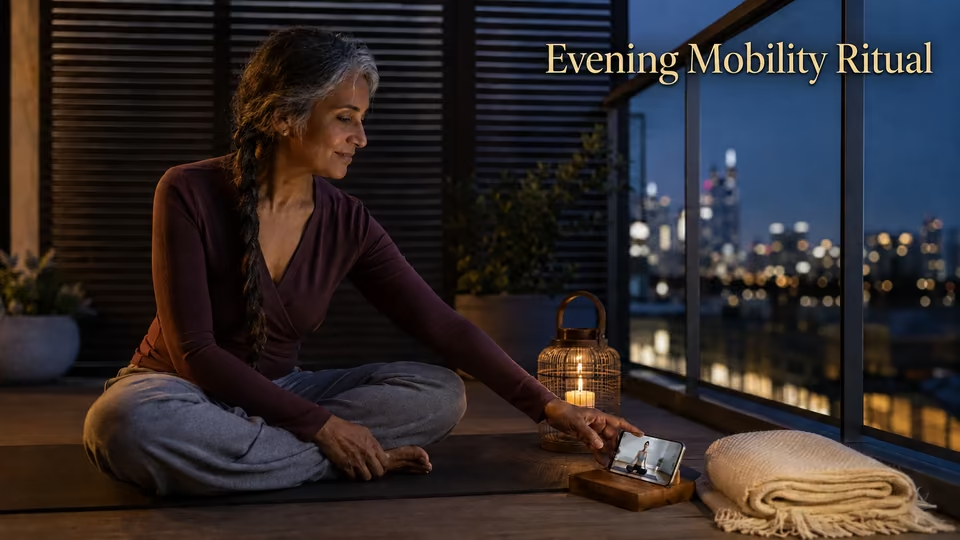
Some tension does not announce itself loudly.
It shows up when you stand after sitting for hours. When your lower back feels heavy. When your hips feel stiff during a walk. When your body feels restless at night, but you cannot quite explain why. When you realize you have been holding stress not only in your mind, but in your body.
A hip mobility flow is a gentle way to come back into movement. Not a workout you have to push through. Not an advanced yoga class. Not a test of flexibility. Just a slow, supportive practice that helps your hips, lower body, and breath begin to soften.
At SoulFul GLO, yoga is part of a wider emotional wellness ritual. Movement can support meditation. Breath can support sound. Sound can support reflection. Gentle yoga can help the body feel safe enough to soften what the mind has been carrying.
If your hips feel tight, heavy, or stuck, this class is a beautiful place to begin.
Quick Answer: What Is a Hip Mobility Flow?
A hip mobility flow is a gentle movement practice designed to support range of motion, ease stiffness, and help the hips move more freely. It often includes slow yoga poses, breath-led transitions, hip circles, low lunges, figure-four stretches, supported hip openers, and gentle floor-based movements.
A simple hip mobility flow may include:
- Seated breathing.
- Cat-cow or a spinal warm-up.
- Hip circles.
- Low lunge.
- A supported lizard pose modification.
- Figure-four stretch.
- Butterfly pose.
- Supported rest.
The goal is not to force flexibility. The goal is to move with awareness, soften tension, and create more ease in the body.
Start the Hip Mobility Flow Class
Use this guided video class when your hips feel tight, your body feels restless, or you want a gentle movement ritual.
Open the dedicated Hip Mobility Flow video page.
Who Is This Hip Mobility Flow For?
This practice is for you if your body is asking for softer movement. You may enjoy this class if:
- You sit for long periods.
- Your hips feel tight or heavy.
- Your lower body feels stiff.
- You want gentle yoga instead of intense exercise.
- You are new to yoga.
- You want to unwind before bed.
- You carry stress in the hips, belly, or lower back.
- You want a slow practice to pair with meditation or sound.
- You prefer calming, body-aware movement.
You do not need to be flexible to begin. You only need to listen. If a pose feels too intense, soften it. If your breath becomes strained, back away. If your body asks for support, use a pillow, blanket, block, or cushion.
Yoga is not about forcing the body into a shape. It is about building a kinder relationship with the body you are already in.
Why the Hips Can Feel So Tight
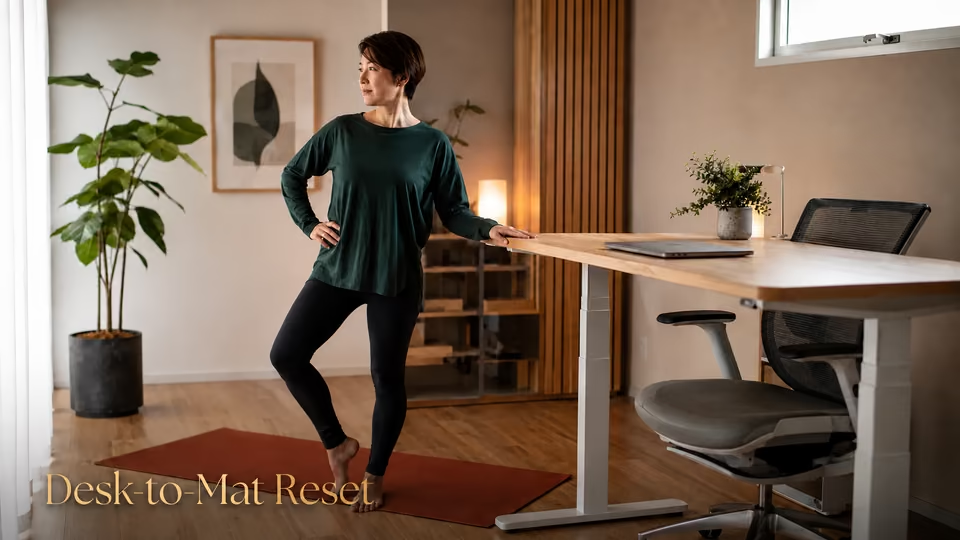
The hips are involved in almost everything: sitting, walking, standing, climbing stairs, working at a desk, driving, sleeping, exercising, and holding posture.
When you sit for long periods, the front of the hips can feel shortened. The glutes may feel less active. The lower back may try to do more than it needs to, and the whole lower body can start to feel less spacious.
For many people, hip tension can also feel connected to stress. You may not notice it during a busy day. Then, when you finally slow down, the body starts asking for attention.
A gentle hip mobility flow gives the body a chance to speak without being pushed: I am listening. I do not have to force release. I can move slowly.
For more emotional wellness through yoga, read Yoga for Emotional Balance.
A Beginner-Friendly Hip Mobility Flow
Use this flow as a guide before or after the video class. Move slowly and keep your breath comfortable.
- 1. Seated breathingBegin seated on the floor, a cushion, or a folded blanket. Place your hands on your thighs. Inhale naturally and exhale slowly. Notice how your hips meet the floor. Ask: “Where does my body feel tight today?” Do not judge the answer; just notice.
- 2. Cat-cow warm-upCome onto hands and knees. As you inhale, gently lift the chest. As you exhale, round the spine. Move slowly to warm the spine and pelvis before deeper hip work. Let the movement be small if your body feels stiff.
- 3. Hip circlesStay on hands and knees and make small circles with the hips. Move clockwise, then counterclockwise. Keep the jaw soft as awareness moves into the pelvis, lower back, and hips.
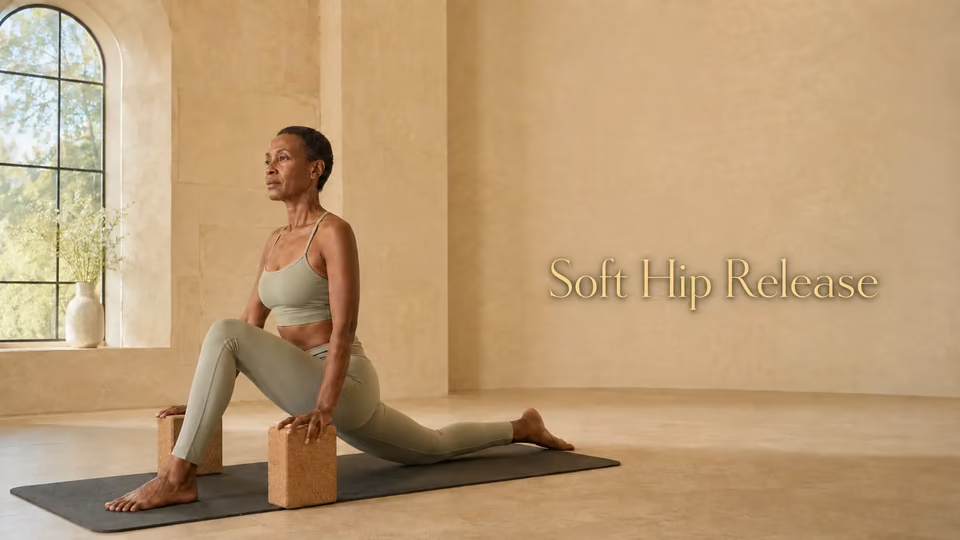
- 4. Low lungeStep one foot forward and let the back knee rest on the mat. Place a blanket under the knee for comfort. Instead of sinking deeply, lift through the chest and breathe into the front of the back hip. Hold for a few breaths, then switch sides.
- 5. Supported lizard poseFrom a low lunge, walk the front foot slightly wider. Place your hands on blocks, pillows, or the floor. Keep the shape gentle. You should feel sensation, not strain. If it feels too intense, stay higher.
- 6. Figure-four stretchLie on your back and cross one ankle over the opposite thigh. Stay here or draw the legs closer. Keep the foot flexed and the breath soft, then switch sides slowly.
- 7. Butterfly poseSit with the soles of the feet together and the knees open. Sit on a folded blanket if the hips feel tight. Let the spine be long without pressing the knees down.
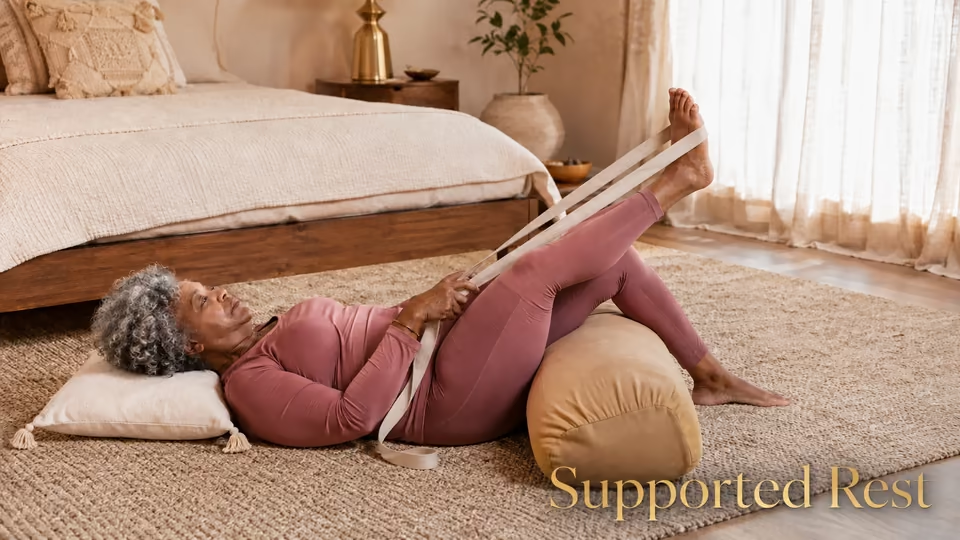
- 8. Supported restLie down with a pillow under the knees or legs. Let the body absorb the practice. Ask: “What feels different now?” The stillness after movement is part of the flow.
Hip Mobility Flow Before Bed
A hip mobility flow can be especially helpful in the evening—not because it guarantees sleep, but because it creates a bridge between the day and rest. If your hips feel tight after sitting, driving, working, or carrying stress, a soft flow can help the body understand that the day is ending.
Try this bedtime version:
- Seated breathing for one minute.
- Cat-cow for one minute.
- Low lunge on each side.
- Figure-four stretch on each side.
- Supported butterfly.
- Rest with a pillow under the knees.
Keep the lights low. Move slower than you think you need to. Let the practice feel like an exhale.
For a fuller bedtime practice, read Gentle Yoga Before Bed and Restorative Yoga for Sleep.

Hip Mobility for Anxiety and Emotional Balance
When anxiety is present, the body can become guarded. The breath shortens. The jaw tightens. The belly grips. The hips and pelvis may feel tense or disconnected.
Gentle yoga can support emotional regulation by giving the body a slow, steady rhythm. You are not trying to stretch anxiety away. You are reminding the body that it can move, breathe, and soften in small ways.
A hip mobility flow may help you feel more grounded, more connected to the body, more aware of tension patterns, and more ready for meditation or rest. If anxiety is intense, frequent, or affecting daily life, professional support can be important. Yoga can be a supportive self-care ritual, but it is not a replacement for mental health care.
For more gentle yoga support, read Yoga for Anxiety: Gentle Flow.
Pair Hip Mobility With Sound, Meditation, or Journaling
SoulFul GLO is built around ritual, not isolated practices. A hip mobility flow can become even more supportive when paired with sound, meditation, or journaling.
Before class: use sound to arrive
Play a calming soundscape or gentle sound journey before movement. Let the sound help you transition from the outside world into your body. Explore how different practices work together in Soundscapes vs Guided Meditation vs Yoga.
During class: move with breath
Use the breath as your rhythm. You do not need to match anyone else. Let the body guide the pace.
After class: journal what shifted
Write one sentence: “What softened?” or “What does my body need now?” This turns a simple mobility class into a deeper self-discovery practice.
The SoulFul GLO Approach to Movement
SoulFul GLO’s yoga practices are designed to feel gentle, emotional, and accessible. The goal is not to perform. The goal is to return—to the breath, the body, the present moment, and the softer part of yourself that often gets buried under the day.
Inside the SoulFul GLO world, yoga can pair beautifully with guided meditation, sound journeys, journaling, and self-discovery. Sound is also part of the brand’s deeper identity, with Far East-inspired healing sounds and Peña-inspired textures that bring a grounded, human atmosphere to meditation and emotional wellness rituals.
Learn more in Far East Healing Sounds.
Tips for Practicing Hip Mobility Safely
A good hip mobility flow should feel supportive, not aggressive. Keep these reminders close:
- Move slowly and keep the breath easy.
- Do not force deep stretches.
- Use props when needed.
- Stop if you feel sharp pain.
- Choose comfort over intensity.
- Let both sides be different.
- Rest when your body asks.
- Avoid comparing your range of motion.
Sensation can be normal. Pain is not the goal. Your hips do not need to open all at once. You are building trust through small, steady movement.
A 5-Minute Hip Mobility Reset
- Minute 1: Seated breathSit comfortably and notice the hips.
- Minute 2: Cat-cowMove the spine and pelvis gently.
- Minute 3: Low lungeTake a few breaths on each side.
- Minute 4: Figure-four stretchRest on your back and soften the outer hips.
- Minute 5: Supported restLet the body settle.
A short flow you actually practice is better than a long routine you avoid.
Start Your Hip Mobility Flow With SoulFul GLO
Hip mobility does not need to be complicated. You do not need to be flexible. You do not need to push through discomfort. You can begin with one breath, one slow movement, one supported pose, and one moment of listening.
With SoulFul GLO, yoga becomes part of a fuller emotional wellness ritual: movement, meditation, sound, journaling, and self-discovery woven together gently.
Move With More Ease
Begin the guided Hip Mobility Flow, then continue with the SoulFul GLO yoga library.
Related SoulFul GLO Guides
- Gentle Yoga Before Bed
- Soundscapes vs Guided Meditation vs Yoga
- Yoga for Emotional Balance
- Far East Healing Sounds
- Restorative Yoga for Sleep
- Yoga for Anxiety: Gentle Flow
Frequently Asked Questions
What is a hip mobility flow?
A hip mobility flow is a gentle movement practice that uses yoga poses and mobility exercises to support ease, range of motion, and body awareness in the hips and lower body.
Is hip mobility flow good for beginners?
Yes. A hip mobility flow can be beginner-friendly when practiced slowly with props, modifications, and attention to comfort.
How long should a hip mobility flow be?
A hip mobility flow can be as short as five minutes or as long as 20–30 minutes. A short, consistent practice is often more helpful than an intense routine done rarely.
Can hip mobility help if I sit all day?
A gentle hip mobility routine may help you feel less stiff after long periods of sitting by encouraging movement through the hips, pelvis, and lower body.
Can I do hip mobility before bed?
Yes. A gentle hip mobility flow before bed can help release tension and create a calming transition into rest. Keep the practice slow and soft.
Is hip mobility the same as stretching?
Not exactly. Stretching often focuses on holding a position, while mobility includes controlled movement, breath, and awareness through a range of motion.
Should hip mobility hurt?
No. You may feel sensation, but sharp pain is a sign to stop or modify. Use props and reduce intensity when needed.
Can yoga help with emotional tension?
Gentle yoga may support emotional wellness by helping you reconnect with the body, slow the breath, and notice where tension is held. It is not a replacement for professional care when needed.
What should I do after a hip mobility flow?
Rest for a few breaths, drink water, and notice how your body feels. You can also journal one sentence, such as “What softened?”
Final Takeaway
A hip mobility flow is not about forcing the body open. It is about listening—to the hips, the breath, the places that feel tight, and the parts of you that have been holding the day.
You do not need to be flexible to begin. You only need to move gently, breathe honestly, and let the body soften one moment at a time.
Begin Gently
Start with the guided class, or unlock the full SoulFul GLO movement and wellness experience.
Movement note: This article supports general well-being and mindful movement. Stop if you feel sharp pain. If you have an injury, chronic pain, pregnancy considerations, or medical concerns, seek guidance from a qualified professional before beginning a new practice.