
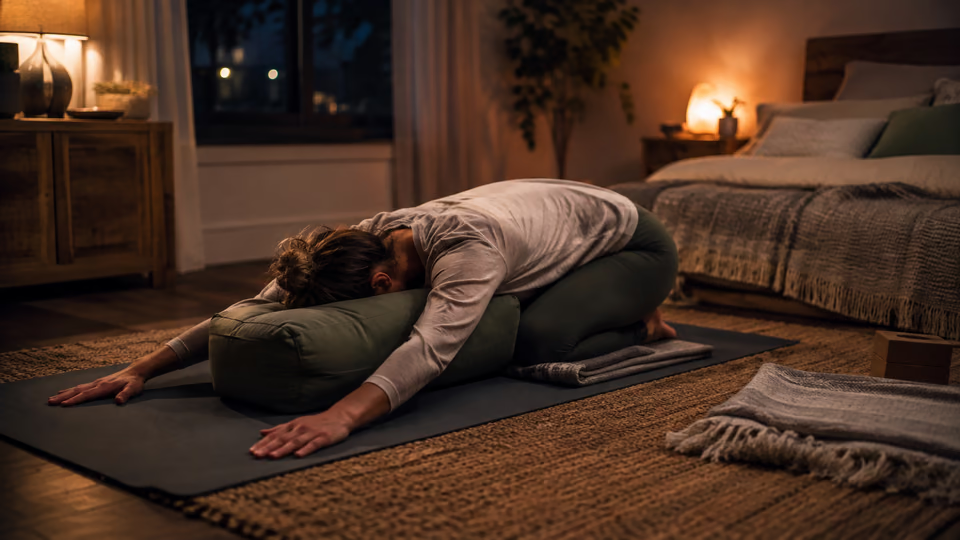
We have all experienced the quiet frustration of midnight exhaustion. Your body feels completely drained from the day, yet the moment your head touches the pillow, your mind begins to race. You feel physically tired, but mentally wired. When this happens, forcing yourself to sleep rarely works. Instead, the most supportive approach is to gently guide your nervous system into a state of safety. This is where restorative yoga for sleep becomes a powerful evening ritual.
Restorative yoga is not about stretching for flexibility, and it is certainly not a workout. It is the practice of active, supported resting. By combining deeply relaxing yoga poses with the immersive atmosphere of a sleep soundscape, you create a reliable, comforting bridge between the demands of the day and the quiet of the night.
If you are looking to build a sustainable evening wind-down routine, SoulFul GLO is designed to support you. Let's explore how mindful movement and intentional sound can transform your evenings, guiding you out of your busy mind and back into your body.
Quick Answer: What Is Restorative Yoga for Sleep?
What is it? Restorative yoga for sleep is a gentle, slow-paced practice that uses props like pillows and blankets to support the body in passive postures.
How does it work? By holding supported, relaxing yoga poses for extended periods, typically 3 to 10 minutes, the body receives physiological signals that it is safe to relax. This helps shift the nervous system from "fight or flight" to "rest and digest."
Why pair it with sound? Adding a sleep soundscape provides a predictable auditory anchor, reducing mental rumination and masking disruptive environmental noises.
Quick Links
- Explore the Yoga Library →
- Explore Sound Journeys →
- Build a Bedtime Routine →
- Unlock SoulFul GLO Unlimited →
Why You Feel Tired But Wired
To understand why gentle yoga before bed is so effective, it helps to understand what happens in your body during a stressful day. Modern life requires us to process an overwhelming amount of sensory input, make constant decisions, and maintain high levels of alertness.
When evening arrives, the mind does not always get the memo that the workday is over. Cortisol and adrenaline may still be circulating in your system. When you simply lie down in silence, your brain seeks out stimulation, which often results in replaying conversations, planning for tomorrow, or worrying about the unknown.
Bedtime yoga interrupts this cycle. Instead of demanding that your mind suddenly go blank, yoga for sleep asks your mind to focus on something simple and immediate: the physical sensation of the floor beneath you, the heaviness of your bones, and the slow rhythm of your breath. As physical tension begins to melt, mental tension naturally follows.
For a deeper understanding of how physical movement regulates mental states, explore our guide on Yoga for Emotional Balance.
The SoulFul GLO Bedtime Ritual: Pairing Yoga With Sound
At SoulFul GLO, we believe that true rest is a multi-sensory experience. While stretching in silence can be beautiful, complete silence can sometimes feel deafening to an anxious mind.
Pairing your movement with a dedicated sleep soundscape offers a gentle point of focus. As you settle into a restorative posture, the steady hum of a drone, the patter of distant rain, or the resonance of traditional Far East instruments gives your active mind a place to rest. This intentional stacking of habits - movement, breath, and sound - is the secret to a bedtime routine that actually works.
5 Relaxing Yoga Poses for Sleep
You do not need a formal yoga studio or expensive equipment for this routine. A quiet spot on your bedroom floor, a yoga mat or soft rug, a few bed pillows, and a blanket are all you need.
Hold each of these relaxing yoga poses for 3 to 5 minutes, allowing your breath to become slow, deep, and unforced.
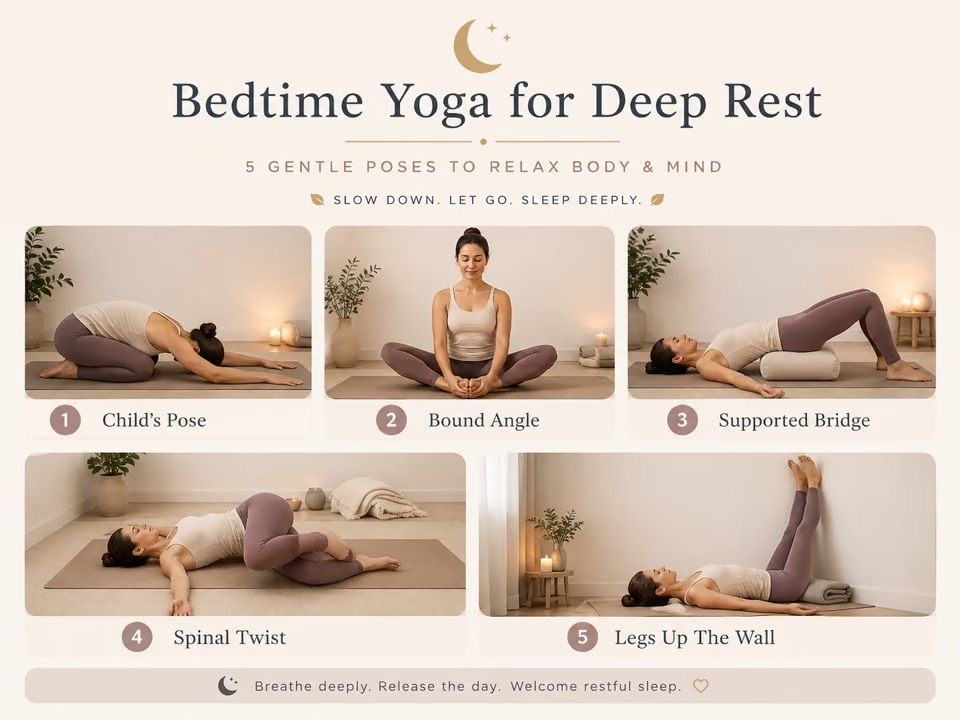
Pose 1: Supported Child's Pose
Child's Pose is the ultimate grounding posture. It physically turns your focus inward, shields your eyes from external light, and gently stretches the lower back and hips where we often hold unconscious stress.
How to do it: Kneel on your mat or rug and bring your big toes together, widening your knees to the edges of the mat. Pull a thick pillow or bolster lengthwise between your thighs.
The movement: Slowly drape your torso over the pillow. Rest your cheek on one side, letting your arms fall heavily to the floor alongside the pillow.
The focus: Breathe into the back of your ribs. Halfway through your time here, gently turn your head to rest on the opposite cheek.
Pose 2: Reclined Bound Angle Pose
This posture opens the chest, abdomen, and pelvis - areas that tend to collapse and tighten when we sit at a desk all day or feel defensive and stressed.
How to do it: Sit on the floor and bring the soles of your feet together, letting your knees fall open like a book. Place a pillow under each knee for support so your inner thighs do not have to work to hold your legs up.
The movement: Lie back flat on the floor or over a long pillow placed along your spine. Rest one hand on your heart and one hand on your belly.
The focus: Feel the subtle rise and fall of your stomach beneath your hand. Let the ground completely support the weight of your shoulders.
Pose 3: Supported Bridge Pose
Supported Bridge is a gentle inversion that reverses the flow of gravity, soothing the nervous system and easing fatigue in the legs and lower back.
How to do it: Lie on your back with your knees bent and the soles of your feet flat on the floor, hip-width apart.
The movement: Press into your feet to lift your hips just high enough to slide a firm pillow or yoga block underneath your sacrum, the flat bone at the base of your spine. Let your hips rest heavy on the support. Extend your arms by your sides, palms facing up to encourage an open chest.
The focus: Allow your lower back to feel entirely weightless. Imagine the tension from your day draining down your spine and into the floor.
Pose 4: Reclined Spinal Twist
Twists are incredible for wringing out physical tension along the spine and encouraging digestion, helping the body physically and energetically let go of the day.
How to do it: Still lying on your back, draw your knees softly into your chest.
The movement: Extend your arms out in a T shape. Slowly let both knees fall to the right side, resting them on the floor or on a pillow. If it is comfortable for your neck, gaze gently over your left shoulder.
The focus: With every exhale, allow your left shoulder to sink closer to the floor. After a few minutes, slowly bring your knees back to center and let them fall to the left.
Pose 5: Legs-Up-The-Wall
Often called the great restorer, this is perhaps the single best yoga pose for sleep. It drains pooled fluid from the legs, slows the heart rate, and strongly cues the parasympathetic nervous system to take over.
How to do it: Sit sideways next to a wall.
The movement: In one fluid motion, swing your legs up the wall as you lower your head and shoulders to the floor. Your body should form an L shape. If your hamstrings are tight, simply scoot your hips a few inches away from the wall. Rest your arms wherever they feel most comfortable.
The focus: Close your eyes. Feel the temperature of the air on your skin. Let your breath become shallow and natural, signaling to your body that it is time to drift off.
Soundscape Pairing Plan: What to Listen To
To elevate this routine, pair your movements with a dedicated Sound Journey. The goal is not to listen to a catchy song, but to immerse yourself in an atmosphere. If you are not sure whether to choose a soundscape, a guided meditation, or a yoga session, check out our comparative guide: Soundscapes vs Guided Meditation vs Yoga.
| Yoga Pose Phase | Goal of the Movement | Ideal Soundscape Pairing | Why It Works |
|---|---|---|---|
| Child's Pose & Bound Angle | Grounding, arriving in the body, slowing the breath. | Deep ambient drones or nature textures, such as distant rain or wind. | Smooths mental noise and provides a steady, predictable anchor for the mind. |
| Bridge & Spinal Twist | Wringing out tension and shifting physical energy. | Slow Far East traditional strings or singing bowls. | Warm, resonant frequencies encourage emotional release and bodily softening. |
| Legs-Up-The-Wall | Complete nervous system downshift and sleep preparation. | Minimalist sleep soundscapes, such as pink noise or ultra-low frequencies. | Minimal variation prevents the brain from being startled, smoothing the transition into sleep. |
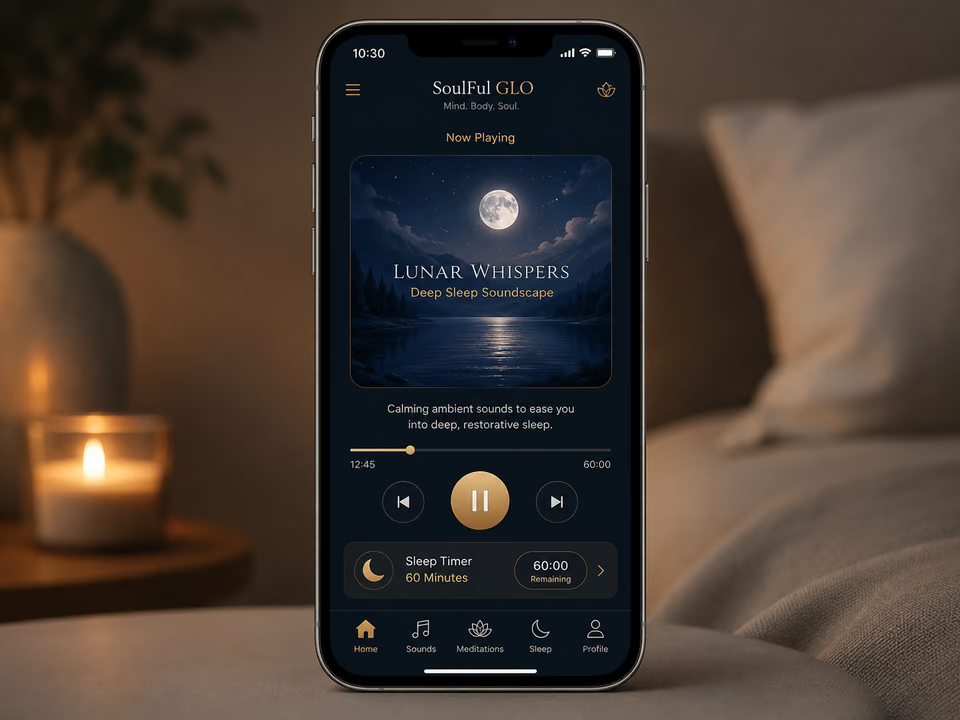
Pro tip: Set an app timer for 45 to 60 minutes so the soundscape can gently fade out after you have fallen asleep, ensuring your deep sleep cycles are not disturbed.
Common Mistakes With Bedtime Yoga
When practicing gentle yoga before bed, it is easy to accidentally bring your daytime ambition onto the mat. Watch out for these common traps:
- Stretching too deeply: If you feel a sharp pull or your muscles are shaking, your body will release adrenaline. Keep your stretches at about 50% of your maximum capacity. The goal is comfort, not flexibility.
- Forcing the breath: While deep breathing is helpful, forcing your breath to match a rigid count can cause anxiety. Simply focus on making your exhales slightly longer than your inhales.
- Using harsh lighting: Practicing under bright overhead lights suppresses melatonin production. Use a dim bedside lamp or a single candle to create a sleepy atmosphere.
- Checking your phone: Once you begin your bedtime yoga routine, put your phone on Do Not Disturb and place it across the room.
Who Is This Practice Best For?
This restorative routine is incredibly supportive for:
- People who experience revenge bedtime procrastination and stay up late scrolling out of a desire for personal time.
- Professionals who spend all day sitting at a desk and hold tension in the neck, back, and hips.
- Individuals who wake up frequently in the middle of the night due to an overactive stress response.
- Anyone seeking a gentle, non-intimidating entry point into yoga and mindfulness.
Elevate Your Evening With a SoulFul GLO Ritual
Your evening wind-down should not feel like another chore on your to-do list. It should feel like a sanctuary.
By consistently practicing restorative yoga for sleep, your brain will begin to associate these specific shapes and soundscapes with rest. Eventually, just unrolling your mat or hearing the first few notes of your favorite Sound Journey will cause you to yawn.
If you find that your mind is still too active during these poses, you might benefit from adding a brief, softly spoken guided practice to the beginning of your routine. Explore our Guided Meditation Library for gentle, sleep-focused voice guidance that can help quiet a persistent inner monologue.
Frequently Asked Questions
Can I do restorative yoga in my bed?
Yes, absolutely. While the floor offers more firmness and support for your spine, doing these poses directly in bed is a wonderful option, especially if you want to seamlessly transition to sleep afterward.
How long should a bedtime yoga routine take?
Your routine can be as short as 5 minutes or as long as 45 minutes. A 15-to-20-minute session is usually the sweet spot for signaling to your nervous system that it is time to rest without taking up too much of your evening.
What if a pose feels uncomfortable?
Restorative yoga should never hurt. If a pose causes pinching, numbness, or pain, gently come out of it. Use more pillows for support, or skip the pose entirely and simply lie flat on your back and listen to your soundscape.
Is it better to meditate or do yoga before bed?
Both are excellent. Yoga helps release physical tension, while meditation helps release mental tension. Stacking them together - doing 10 minutes of gentle yoga followed by 5 minutes of meditation - often provides the best results for deep sleep.
Final Takeaway
You deserve to end your day with softness. When you practice restorative yoga for sleep, you are not just stretching your muscles; you are actively giving your mind permission to clock out for the night. By combining these five relaxing yoga poses with a deeply calming soundscape, you create a nightly ritual that protects your peace and prepares you for profound rest.
Are you ready to build a bedtime ritual that you actually look forward to?
Try Bedtime Yoga With SoulFul GLO
Unlock unlimited access to premium Sound Journeys, Guided Meditations, and Mindful Movement with SoulFul GLO.
Continue Reading
- How to Build a Daily Wellness Ritual
- Explore our full Yoga Library
- Discover the benefits of Far East Healing Sounds
Wellness note: SoulFul GLO content supports general well-being and is not medical advice or treatment. Move gently, use support, and stop any pose that causes pain, numbness, or discomfort.