
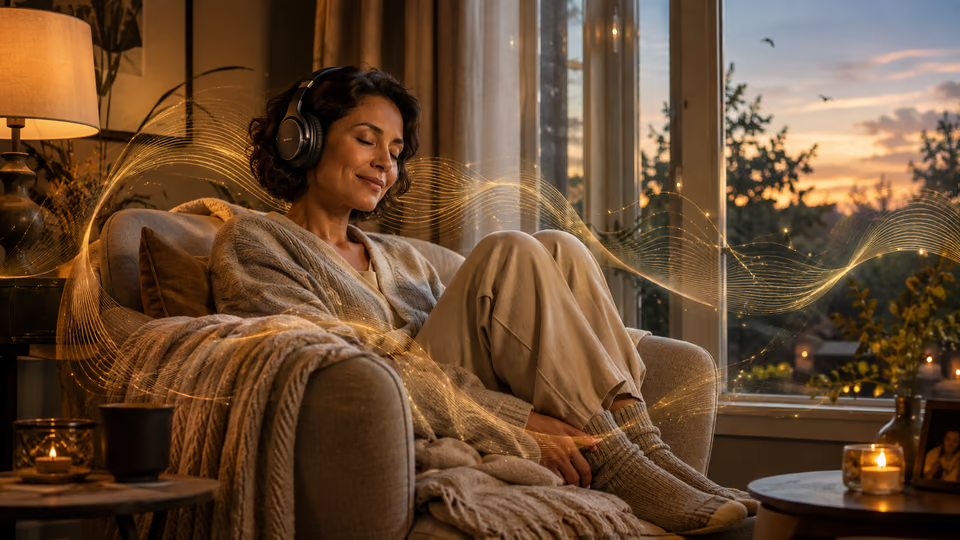
Anxiety can make the world feel too loud.
Sometimes it is the outside noise: messages, traffic, conversations, deadlines, notifications, and the endless small demands of the day. Other times, it is the inner noise: racing thoughts, worry, replayed conversations, body tension, and the feeling that your mind is trying to solve everything at once.
In those moments, silence does not always feel peaceful. Sometimes silence gives anxious thoughts even more room to echo.
That is where calming sounds for anxiety can become a gentle support.
A soft soundscape, a few birds in the distance, a slow flute melody, rainfall, ocean waves, or a guided meditation can give your attention somewhere kinder to land. Not as a cure. Not as a way to force yourself into calm. But as a simple ritual that helps the mind and body feel a little less alone with what they are carrying.
At SoulFul GLO, calming sound is part of a deeper emotional wellness experience: guided meditation, sound journeys, gentle yoga, journaling, and self-discovery practices that help you return to yourself one breath, one sound, and one moment at a time.
Quick Answer: What Are the Best Calming Sounds for Anxiety?
The best calming sounds for anxiety are usually soft, steady, and non-demanding. Many people find nature sounds, birdsong, rain, ocean waves, flute, gentle ambient music, low soundscapes, and guided meditation helpful because they give the mind a soothing anchor.
The goal is not to erase anxiety instantly. The goal is to give your attention somewhere softer to return when thoughts feel loud.
What Are Calming Sounds for Anxiety?
Calming sounds for anxiety are sounds used intentionally to create a softer inner or outer environment. They may include:
- Birdsong, forest ambience, wind through trees, rain, or ocean waves
- Gentle flute, soft ambient tones, low drones, or singing bowls
- Breath-led audio, guided meditation, sleep soundscapes, or sound journeys
A calming sound does not need to be complicated. It simply needs to feel safe enough for your attention to rest there. The right sound depends on the moment.
- If your mind is racing, you may want something steady.
- If your body feels tense, you may want something warm and low.
- If you feel emotionally heavy, you may want something spacious.
- If you are trying to sleep, you may want something slow and predictable.
Why Sound Can Help When Anxiety Feels Loud
Sound can be helpful because anxiety often pulls attention into a loop. The mind repeats. The body tightens. The breath changes. The future feels too close, and the present moment feels far away. A calming sound gives your attention something simple to return to.
Sound Gives the Mind an Anchor
When thoughts keep moving, a sound can become a steady point of focus. You are not trying to stop thinking. You are practicing returning: a thought appears, you notice it, and you return to the sound. That return is the practice.
Sound Changes the Atmosphere
A room can feel different when the right sound is playing. Rain can make a room feel enclosed and safe. Birdsong can make the morning feel fresh. Flute can make the breath feel softer. A low ambient tone can make the body feel more grounded.
Sound Can Feel Easier Than Silence
Silent meditation is not always the best starting point for anxious moments. If silence makes your thoughts feel louder, sound may offer a gentler doorway into meditation. For a deeper comparison, read Soundscapes vs Guided Meditation vs Yoga.
Best Calming Sounds for Anxiety
There is no single perfect sound for everyone. These are some of the most useful categories to explore.
| Sound type | Best for | How to use it |
|---|---|---|
| Birdsong | Morning anxiety, emotional heaviness | Listen while breathing or journaling |
| Flute | Breath awareness, grounding, reflection | Use as a meditation anchor |
| Rain | Nighttime worry, overstimulation | Play softly before sleep |
| Ocean waves | Restlessness, body tension | Pair with slow exhale breathing |
| Forest ambience | Grounding, mental fatigue | Use during a midday reset |
| Low ambient tones | Racing thoughts | Let the tone become your focus |
| Guided meditation | When you need structure | Follow the voice gently |
| Sound journeys | Deeper reflection and ritual | Listen intentionally with headphones |
Birdsong for Anxiety
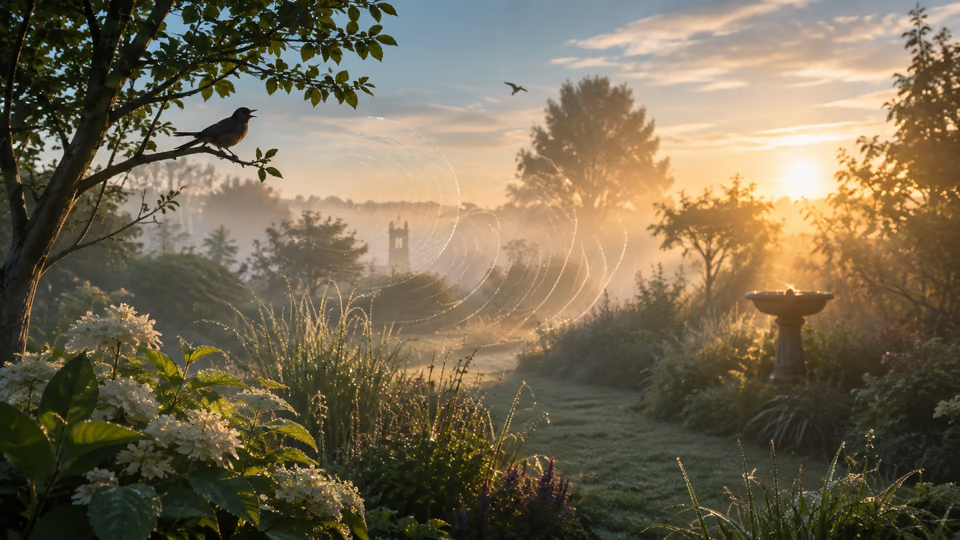
Birdsong can feel calming because it carries a natural sense of morning, space, and safety. It has movement, but not too much. It can make a room feel less closed-in and help the mind remember that the world is larger than the anxious thought.
Birdsong may be especially useful when you wake up anxious, your mind feels foggy, you want a gentle morning reset, you need something lighter than meditation music, or you want to journal but feel stuck.
Try This Morning Practice
- Play soft birdsongUse a gentle volume that feels like part of the room.
- Sit near a window if possibleLet your breath be natural.
- Name three sounds you hearNotice without judging or analyzing.
- Write one sentenceComplete the prompt: “This morning, I need…”
Flute Sounds for Anxiety
Flute sounds can be especially soothing because they feel close to the breath. A flute tone rises, moves, and fades like an exhale. It has space around it. It does not need to fill every moment.
This makes flute a beautiful sound for anxiety, especially when your chest feels tight or your thoughts are moving quickly. You might use flute when you need grounding, feel emotionally full, want a softer meditation anchor, are preparing for sleep, or need fewer words and more feeling.
At SoulFul GLO, flute and soulful instrument textures are part of a wider sound journey world. The app also draws inspiration from Far East healing sounds and Peña-inspired textures, which bring a raw, earthy, human feeling into meditation. Learn more in Far East Healing Sounds.
A Simple Flute Meditation
- Sit or lie downLet the breath be natural.
- Listen one note at a timeNotice the space after each note fades.
- Return to listeningWhen thoughts come up, gently come back to the flute.
- ReflectAfterward, ask: “What softened?”

Rain, Water, and Ocean Sounds
Water sounds are popular for a reason. Rain can make the world feel quieter. Ocean waves can create rhythm. A stream can give the mind gentle movement without asking too much from it.
Use water sounds when anxiety feels like mental static. Try pairing ocean or rain with the phrase: “I do not have to solve everything right now.” Let the sound continue softly while the body settles.
For bedtime sound support, read Bedtime Routine With Soundscapes.
Calming Sounds for Anxiety Before Sleep
Anxiety often becomes louder at night because the day finally gets quiet. During the day, you may be busy enough to keep moving. At night, distractions fade and thoughts have space. A calming sound can help create a bridge between the day and rest.
- Dim the lightsPut your phone away from your pillow.
- Play a soft soundscapeChoose rain, flute, or a guided meditation.
- Feel your body supportedLet the breath be natural.
- Return to the soundWhen thoughts appear, gently come back.
- Close the dayRepeat: “For tonight, this can wait.”
For more support, read How to Calm Anxiety Before Sleep, Meditation for Racing Thoughts at Night, and Gentle Yoga Before Bed.
How to Use Calming Sounds as a Meditation Anchor
You do not need to be good at meditation to use sound. Sound can become the thing you return to.
Step 1: Choose One Sound
Choose something that feels soft and steady: birdsong, flute, rain, ambient sound, or a guided meditation.
Step 2: Get Comfortable
Sit, lie down, or rest in a supported position. You do not need perfect posture.
Step 3: Let the Breath Be Natural
Do not force deep breathing. Just notice the breath at first.
Step 4: Listen in Layers
Ask: What sound is closest? What sound is farthest away? Is there rhythm? Is there space? Where do I feel this in the body?
Step 5: Return When the Mind Wanders
Thoughts will come. When they do, say silently: “Listening.” Then return to the sound.
Step 6: Reflect Gently
After listening, write one sentence: “After this sound, I notice…” That is enough.
Pair Calming Sounds With Gentle Yoga
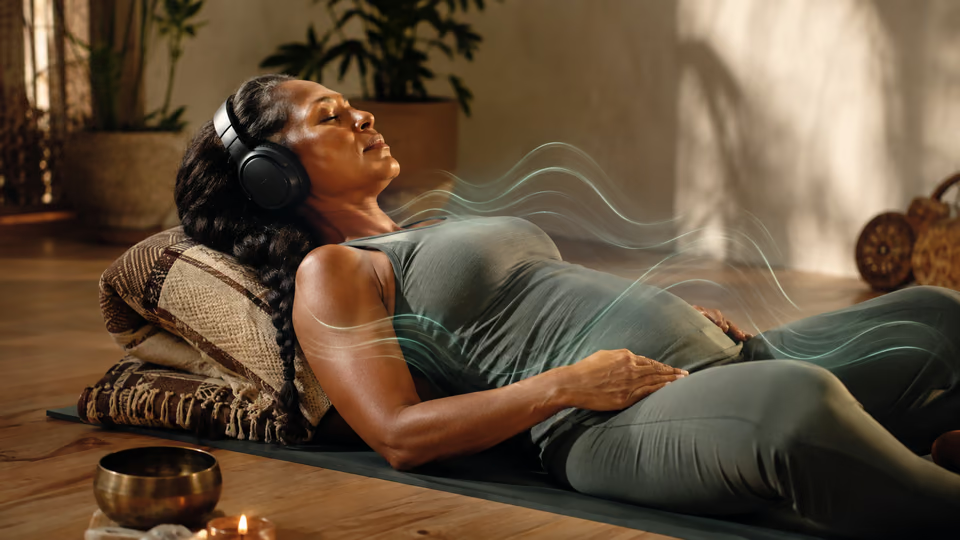
Sometimes anxiety is not only in the mind. It is in the shoulders, jaw, chest, hips, or stomach. Gentle yoga before listening can help your body feel more ready to settle.
Try shoulder rolls, cat-cow, child’s pose, a seated forward fold, a supine twist, legs up the wall, or supported rest. Then play a calming sound or guided meditation.
For emotional balance through movement, read Yoga for Emotional Balance. For restorative sleep support, visit Restorative Yoga for Sleep.
Soundscapes vs Guided Meditation vs Yoga
| Practice | Best when | Why it helps |
|---|---|---|
| Soundscape | You want fewer words | Creates atmosphere and a soft anchor |
| Guided meditation | You need structure | A voice gives the mind a path to follow |
| Gentle yoga | Anxiety feels physical | Movement helps release tension |
| Journaling | Thoughts keep repeating | Puts mental loops on the page |
| Sound journey | You want a deeper ritual | Sound creates an immersive emotional space |
Listen to Calming Sounds With SoulFul GLO
SoulFul GLO helps you create calming rituals for anxious moments. Inside SoulFul GLO, you can listen to guided meditations, explore calming sound journeys, use sound as a meditation anchor, pair sound with journaling, practice gentle yoga, build an evening ritual, and return to yourself one sound at a time.
You do not need to force calm. You can begin with one sound. One breath. One gentle return.
Frequently Asked Questions
What are calming sounds for anxiety?
Calming sounds for anxiety are soft, steady, soothing sounds used to help create a calmer atmosphere. Examples include birdsong, rain, ocean waves, flute, ambient tones, guided meditation, and soundscapes.
What sound is best for anxiety?
There is no single best sound for everyone. Birdsong may feel fresh and uplifting, rain may feel cozy, flute may feel breath-like, and ambient tones may feel grounding. The best sound is the one your body responds to with softness.
Can calming sounds reduce anxiety?
Calming sounds may support relaxation and help give anxious thoughts a softer anchor. They are not a cure or a replacement for professional care, but they can be a helpful self-care tool.
Is birdsong good for anxiety?
Birdsong can feel calming because it creates a natural, open, reassuring atmosphere. It may be especially helpful in the morning or during a gentle reset.
Is flute music good for anxiety?
Flute music can feel calming because it has a breath-like quality. The space between notes can help create a softer listening experience, especially for meditation or reflection.
Should I use calming sounds before sleep?
Calming sounds can be part of a bedtime routine. Soft soundscapes, rain, flute, or guided meditation may help create a transition between the activity of the day and rest.
What if silence makes my anxiety worse?
Try using sound as your meditation anchor. Instead of forcing silence, listen to one sound layer at a time and return to it when thoughts wander.
How can SoulFul GLO help with calming sounds?
SoulFul GLO offers guided meditation, sound journeys, yoga, journaling, and emotional wellness rituals that help you use sound as a gentle anchor for calm, reflection, and rest.
Final Takeaway
Calming sounds for anxiety are not about escaping your feelings. They are about giving your mind and body a softer place to land.
Birdsong can open the morning. Rain can quiet the night. Flute can soften the breath. Ambient tones can ground the body. Guided meditation can give the mind a path to follow.
With SoulFul GLO, calming sounds become part of a deeper ritual: meditation, sound journeys, yoga, journaling, and self-discovery woven together to help you return to yourself.
Listen With SoulFul GLO
Begin with one sound, one breath, and one gentle return.
Wellness note: This article supports general wellbeing and self-care. Calming sounds are not medical treatment or a substitute for qualified medical or mental health care.