

Burnout does not always arrive loudly.
Sometimes it feels like waking up already tired. Sometimes it feels like a full inbox, a tight chest, a short temper, or the quiet thought, "I cannot keep doing everything this way." Sometimes it feels like you are functioning on the outside, but somewhere inside, your softness has gone missing.
Meditation for burnout is not about forcing yourself to be calm. It is not another productivity habit or another item on your self-care checklist. It is a gentle way to pause, breathe, and give your body and mind a moment of relief when everything feels like too much.
At SoulFul GLO, meditation for burnout can be as simple as a three-minute reset, a calming sound journey, a few slow breaths, or one honest journal prompt after practice. You do not need to meditate perfectly. You do not need to clear your mind. You only need a safe place to begin again.
Quick Answer: Can Meditation Help With Burnout?
Meditation may support burnout by helping you pause, notice your body, soften mental overload, and create small moments of rest. It is not a cure for burnout or a replacement for professional help, workplace changes, medical care, or real recovery time. But a gentle burnout meditation can become a supportive reset practice when you feel overwhelmed or emotionally drained.
Start with three minutes. Let that be enough.
Quick Links
What Is Meditation for Burnout?
Meditation for burnout is a low-pressure mindfulness practice designed for moments when you feel depleted, overstimulated, emotionally tired, or disconnected from yourself.
Unlike a long or intense meditation routine, burnout meditation should feel simple and kind. It may include slow breathing, body awareness, gentle sound, short guided meditation, resting with eyes closed, journaling after meditation, a grounding phrase, or a few minutes of stillness.
The purpose is not to "fix" burnout instantly. Burnout often needs deeper care: real rest, boundaries, support, health attention, emotional processing, and changes in workload or life rhythm.
Meditation simply gives you one small place to stop carrying everything at once. A helpful phrase is: "For this moment, I do not have to solve my whole life. I only have to return to this breath."
Why Burnout Can Make Meditation Feel Hard
If you feel burned out and meditation feels difficult, nothing is wrong with you.
Burnout can make stillness feel uncomfortable. When the body has been running on stress, responsibility, or emotional overextension, pausing may reveal how tired you truly are. The mind may become louder at first. The body may feel restless. You may feel numb, impatient, emotional, or resistant.
That does not mean meditation is failing. It means your system may need an even gentler approach.
- Three minutes of listening.
- One calming sound journey.
- A body scan while lying down.
- One hand on your heart.
- A short guided reset.
- One journal sentence.
- Gentle yoga before stillness.
If sound feels easier than silence, explore the SoulFul GLO Sound Journey Library. Sound can help create a calming atmosphere without asking you to do too much.
How to Meditate When You Feel Burned Out
Start Smaller Than You Think You Need
Do not begin with a long routine. Start with three minutes. Even one minute counts if that is what your body can receive.
Lie Down If Sitting Feels Like Effort
Meditation does not have to look a certain way. If sitting upright feels tiring, lie down, use pillows, or rest against a wall.
Use Sound as an Anchor
Silent meditation can feel too spacious when the mind is overloaded. A soft sound journey gives attention somewhere gentle to land. To understand the role of sound, read Sound Healing Meditation.
Let the Breath Be Natural
Do not force deep breathing. Burnout often needs softness, not control. Let the breath move naturally at first.
Use One Grounding Phrase
Try repeating, "I am allowed to pause," or "I do not have to earn rest." The right phrase should feel like relief, not pressure.
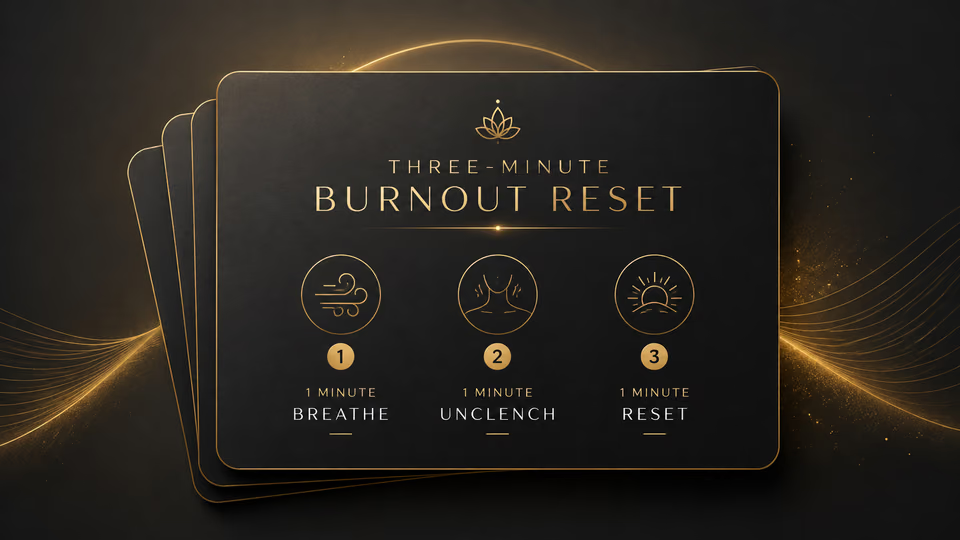
A 3-Minute Burnout Reset Practice
Use this when you have very little energy.
- Minute 1: ArriveSit or lie down. Let your body be supported. Close your eyes if that feels comfortable. Say silently, "I am here." Notice the points of contact between your body and the surface beneath you.
- Minute 2: SoftenBring one hand to your heart, belly, or another place that feels comforting. Let your exhale be slightly longer, but do not force it. Say, "I can soften by one percent."
- Minute 3: ReturnNotice one sound in the room or play a soft sound journey at low volume. Say, "For now, this is enough."
That is the whole practice. Burnout meditation does not have to be dramatic. It simply has to give you a small moment of not pushing.
A 5-Minute SoulFul GLO Reset Practice
This reset practice pairs beautifully with SoulFul GLO's sound journeys.
| Time | Practice | Purpose |
|---|---|---|
| 0:00-1:00 | Choose sound | Open a soft SoulFul GLO sound journey. |
| 1:00-2:00 | Settle | Sit, lie down, or rest your body. |
| 2:00-3:30 | Listen | Let the sound hold your attention. |
| 3:30-4:30 | Breathe | Let your exhale soften naturally. |
| 4:30-5:00 | Close | Choose one word for what you need. |
Your word might be rest, space, quiet, softness, support, ease, boundaries, or renewal. Explore the SoulFul GLO Sound Journey Library.
A 10-Minute Meditation for Burnout Routine
| Time | Practice | Focus |
|---|---|---|
| 0:00-1:00 | Arrive | Let the body be supported. |
| 1:00-2:00 | Name the truth | "I feel..." |
| 2:00-4:00 | Listen | Play a calming sound journey. |
| 4:00-6:00 | Body scan | Notice jaw, shoulders, chest, belly. |
| 6:00-8:00 | Release phrase | "I do not have to carry everything right now." |
| 8:00-10:00 | Journal or rest | Write one sentence or stay still. |
This practice is ideal after work, before bed, after emotional overload, or during a day when you feel stretched thin.
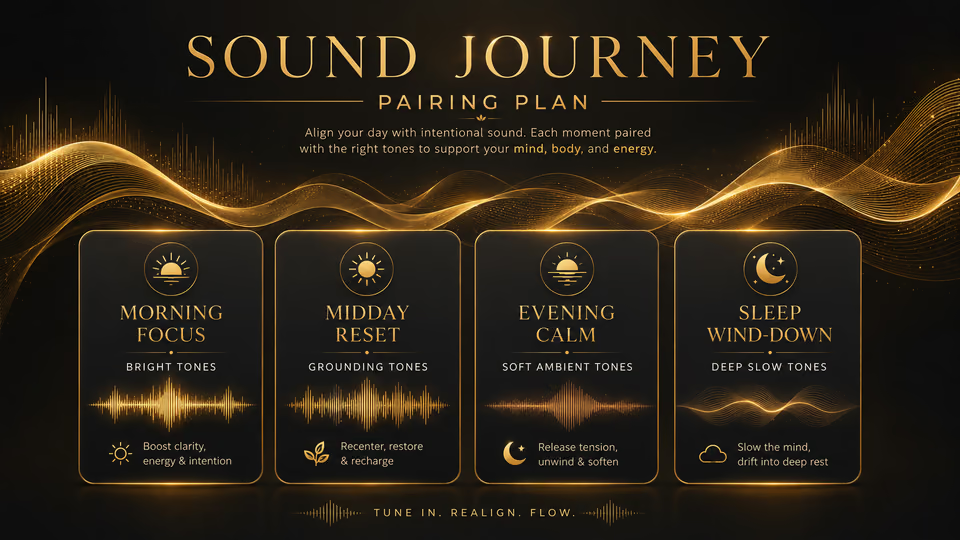
Sound Journey Pairing Plan for Burnout
Sound can be especially helpful for burnout because it creates atmosphere without requiring effort. You do not have to think of the right words. You do not have to analyze your feelings. You can simply listen.
| Burnout feeling | Recommended sound | Why it fits |
|---|---|---|
| Mental overload | Minimal ambient soundscape | Reduces stimulation. |
| Emotional heaviness | Warm flute or soft strings | Creates emotional spaciousness. |
| Physical tension | Low, steady drone | Supports grounding. |
| Numbness | Gentle melodic sound journey | Invites feeling without pressure. |
| Restlessness | Slow rhythmic texture | Gives attention a soft anchor. |
| Sleepy depletion | Sleep-focused sound journey | Supports bedtime transition. |
SoulFul GLO's sound world is shaped by soulful, Far East-inspired textures that can make meditation feel immersive and deeply atmospheric. To learn more, read Far East Healing Sounds.
Journaling After Meditation for Burnout
After a burnout meditation, journaling can help you hear what your body and mind have been trying to say. Keep it short. Burnout does not need a long essay.
- What am I tired of carrying?
- What do I need that I keep postponing?
- Where am I over-giving?
- What would feel like relief today?
- What can wait?
- What boundary is asking for my attention?
- What part of me needs tenderness?
- What is one thing I can do less of this week?
- What would support look like right now?
- What is my body asking me to notice?
If you enjoy reflection after practice, read Journaling After Meditation. A simple closing sentence: "I am allowed to need care."

Meditation for Women Experiencing Burnout
For many women, burnout is not only about doing too much. It can also come from carrying too much emotionally: the invisible labor, the remembering, the caretaking, the performing, the holding it together, and the pressure to be grateful, capable, attractive, calm, successful, generous, and available all at once.
Meditation for women experiencing burnout should feel different from another self-improvement demand. It should not say, "Become better." It should say, "Come back to yourself."
SoulFul GLO's women-centered meditation experience supports emotional wellness through guided meditation, sound journeys, yoga, journaling, and self-discovery. Read more in Meditation for Women.
A gentle affirmation for burnout: "I do not have to be everything to everyone to be worthy of rest."
Pairing Burnout Meditation With Relaxing Yoga
Burnout often lives in the body. You may feel it as tight shoulders, a heavy chest, shallow breathing, jaw tension, headaches, or a deep sense of fatigue. Gentle yoga can help you reconnect with the body before meditation.
Try child's pose, legs up the wall, seated forward fold, supported bridge, gentle neck release, or resting pose with a blanket. The movement should be slow and supportive, not intense.
For a related practice, explore Yoga for Emotional Balance. If burnout is affecting your sleep rhythm, you may also want to build a softer evening routine using calming meditation, sound journeys, or gentle yoga.
Burnout, Manifestation, and Rebuilding Inner Trust
When you are burned out, manifestation may feel far away. It can be difficult to dream when you are exhausted. That is why any manifestation practice during burnout should begin with restoration, not pressure.
Instead of asking, "What huge life do I need to manifest?" ask, "What kind of support would help me feel like myself again?" A burnout-sensitive manifestation practice might focus on rest, spaciousness, support, health, clarity, boundaries, creative energy, or gentle confidence.
For deeper manifestation rituals, visit Manifestation Meditation. But when you are depleted, remember this: your first manifestation may be permission to rest.
Common Mistakes to Avoid
- Treating meditation like another task: If meditation becomes another thing you must do well, it loses its softness.
- Forcing yourself to clear your mind: A busy mind is normal, especially during burnout. Let sound, breath, or body awareness be your anchor.
- Choosing intense practices: Avoid meditations that feel overly stimulating, demanding, or emotionally heavy when you are depleted.
- Ignoring real-world needs: Meditation can support you, but burnout often also asks for boundaries, workload changes, sleep, nourishment, support, and care.
- Expecting one practice to fix everything: A reset practice is a beginning, not a cure.
- Skipping rest because you only meditated: Meditation is not a substitute for sleep or real downtime.
How SoulFul GLO Helps You Create a Burnout Reset Ritual
SoulFul GLO is designed for moments when you need to come back to yourself gently. You can start with a calming sound journey, try a short guided meditation, pair meditation with journaling, practice gentle yoga for emotional balance, build an evening reset routine, explore sound healing meditation, and return daily without pressure.
This makes SoulFul GLO especially supportive for burnout because the app does not ask you to begin with a big transformation. It gives you small doorways: a sound, a breath, a pause, a journal prompt, and a moment of softness.
Related SoulFul GLO Guides
- Explore SoulFul GLO
- Meditation for Women
- Sound Healing Meditation
- Yoga for Emotional Balance
- Journaling After Meditation
- Far East Healing Sounds
- Manifestation Meditation
- Calm Your Mind, Elevate Your Life
Frequently Asked Questions
Can meditation help with burnout?
Meditation may support burnout by helping you pause, notice your body, and create small moments of calm. It is not a cure or replacement for professional support, rest, boundaries, or lifestyle changes, but it can be part of a gentle recovery routine.
What type of meditation is best for burnout?
Gentle, short, sound-supported meditation is often best when you feel burned out. Try a three- to five-minute practice with soft sound, natural breathing, and a simple grounding phrase. Avoid intense or long practices if they feel overwhelming.
How do I meditate when I am too tired?
Lie down, close your eyes, and listen to a calming sound journey. You do not need to sit upright or focus perfectly. Let the practice be restful. Even one minute of soft attention can be enough.
Is burnout meditation good before bed?
Yes, a gentle burnout meditation before bed can help create a softer transition into rest. Choose low-volume sound, a short body scan, or one calming phrase. Avoid intense self-analysis close to sleep.
What should I listen to during burnout meditation?
Choose soft ambient sound, gentle flute, slow drones, sleep soundscapes, or calming sound journeys. The sound should feel supportive, not stimulating. SoulFul GLO's Sound Journey Library is designed for this kind of gentle reset.
Can journaling help after burnout meditation?
Journaling after meditation can help you notice what your body and mind need. Keep it short. Try prompts like "What am I tired of carrying?" or "What would feel like relief today?"
How long should a burnout meditation be?
Start with three minutes. If that feels good, try five or ten minutes. When you are burned out, consistency and gentleness matter more than length.
Is burnout the same as stress?
Burnout and stress can overlap, but burnout often feels more like depletion, emotional exhaustion, numbness, or disconnection. If burnout feels persistent or severe, consider seeking professional or medical support in addition to self-care practices.
Final Takeaway
Meditation for burnout is not about becoming more productive. It is about remembering that you are human.
You are allowed to pause. You are allowed to need rest. You are allowed to feel tired. You are allowed to stop carrying everything for a few minutes.
A gentle reset practice can help you return to your breath, your body, and the quieter truth beneath the overwhelm. When paired with SoulFul GLO's sound journeys, journaling, and emotional wellness practices, meditation becomes a soft place to begin again.
Try a Burnout Reset Practice With SoulFul GLO
Unlock sound journeys, guided meditation, journaling, yoga, and emotional wellness practices that help you return gently.
Wellness note: SoulFul GLO content supports general well-being and self-reflection. Burnout can require real rest, boundaries, medical care, mental health support, and workload or lifestyle changes. If burnout feels persistent, severe, or unsafe, professional support matters.